


Hair transplantation can be an option for people experiencing hair loss, but recovery may differ depending on the patient’s hair characteristics, treatment area and surgical approach. Anyone researching a men’s hair transplant in Bournemouth should understand that healing involves several stages, from the first few days after treatment to the gradual development of transplanted hair. Although men and women generally follow similar basic aftercare principles, differences in hair loss patterns and styling preferences can influence their recovery experience.
Understanding these differences can help patients prepare for treatment, arrange time away from work and follow their clinic’s instructions. A personalised consultation is important because not every patient will require the same technique or recovery plan.
Understanding Hair Transplant Recovery
A hair transplant involves moving hair follicles from a donor area, usually at the back or sides of the scalp, to areas affected by thinning or hair loss. The procedure may involve Follicular Unit Extraction (FUE) or Follicular Unit Transplantation (FUT), depending on the patient’s suitability and the treatment plan.
Both methods require time for the scalp to heal. Patients may experience temporary redness, swelling, tenderness, scabbing and mild discomfort. These effects usually improve as the scalp recovers, although the exact timeline varies.
The First Few Days After Treatment
During the initial recovery period, the treated areas may feel sensitive. Small scabs can form around the transplanted follicles, while the donor area may also feel tender. Patients should avoid scratching, rubbing or putting unnecessary pressure on the scalp.
The clinic will provide instructions about washing, sleeping and protecting the treated area. Following these recommendations is important because the newly transplanted follicles need time to settle.
The Following Weeks
Redness and scabbing generally reduce as healing progresses. Some patients also experience temporary shedding of the transplanted hair shafts. This is commonly known as shock loss and is an expected part of the hair transplant growth cycle.
Shedding does not necessarily mean that the transplanted follicles have failed. New hair growth usually develops gradually over the following months, rather than appearing immediately after treatment.
Recovery After a Men’s Hair Transplant
Men commonly seek hair restoration for receding hairlines, thinning crowns or more extensive male-pattern hair loss. These treatment areas can influence the size and location of the recipient area, the number of grafts required and the overall recovery experience.
Hairline and Crown Treatment
A transplant focused on the hairline may involve work across the front of the scalp, while crown restoration may require treatment over a wider circular area. Some patients need both areas addressed as part of a carefully planned treatment strategy.
The amount of redness, swelling and scabbing can depend on the number of grafts and the size of the treated area. Patients should avoid assuming that every procedure will have the same recovery timeline.
Styling and Daily Activities
Men who usually keep their hair short may notice changes in the appearance of the donor area while it heals. Patients should ask their clinic when it is appropriate to have their next haircut and whether any restrictions apply to particular styling methods.
Returning to work depends on the nature of the job and the individual’s recovery. People with physically demanding roles may need more time away from certain activities than those working at a desk.
Recovery After a Female Hair Transplant
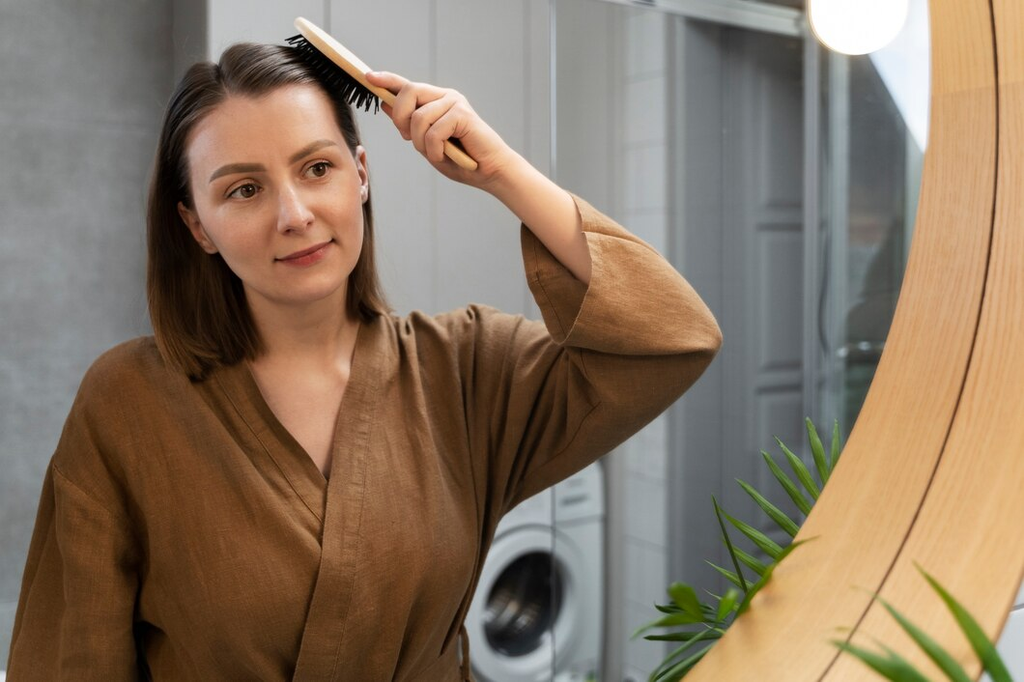
Women may seek hair transplantation for several reasons, including a widening part, thinning around the hairline or localised hair loss. Female hair loss can have different patterns from male-pattern baldness, so treatment planning requires careful assessment.
For someone researching a female hair transplant in Bournemouth, it is useful to understand that the recovery process may also depend on whether the procedure involves a small area or a larger section of the scalp.
Hair Length and Donor Area Considerations
Some women prefer to maintain longer hairstyles throughout treatment and recovery. Depending on the technique, the clinic may be able to plan the procedure in a way that considers existing hair length and the visibility of the donor area.
However, this depends on individual suitability and the method used. Patients should discuss how the donor area may look after treatment and whether any temporary changes to their hairstyle will be necessary.
Treating Female Hair Thinning
Female hair loss can involve diffuse thinning across the scalp rather than a clearly defined bald area. This can make assessment particularly important, as the surgeon needs to determine whether there is a suitable donor supply and whether transplantation is appropriate.
Women experiencing widespread or unexplained hair loss may need further investigation before proceeding. Identifying the underlying cause helps the medical team determine whether surgery is a suitable option.
Key Differences Between Men’s and Women’s Recovery
Although the basic healing process is similar, several factors may influence how men and women experience recovery.
Treatment Area and Number of Grafts
The size of the recipient area and the number of transplanted grafts can affect recovery. A larger procedure may involve more extensive scabbing and temporary redness than a smaller treatment.
The patient’s hair loss pattern, donor hair availability and planned density all influence the treatment design. Therefore, recovery should be assessed individually rather than based only on gender.
Appearance During Healing
Hair length and styling preferences can affect how noticeable the treated areas are during recovery. Some men may choose to keep their hair short, while some women may prefer to use their existing hair to cover areas around the treatment site.
Patients should ask their surgeon what appearance to expect immediately after treatment and whether there are any restrictions on covering the scalp.
Return to Exercise and Normal Activities
Both men and women are generally advised to avoid strenuous exercise for a period specified by their clinic. Activities that cause excessive sweating, friction or pressure around the scalp may interfere with early healing.
The timing for returning to exercise, swimming and other physical activities should be confirmed with the treating team. Patients should not resume these activities simply because the scalp feels more comfortable.
Practical Tips for a Smoother Recovery
Good aftercare supports the healing process and helps patients protect the treated areas. The clinic’s instructions should always take priority over general advice.
Follow Washing Instructions
Patients should wash their scalp only as directed by the medical team. Gentle handling is important, particularly during the early stages when transplanted follicles are settling.
Avoid using unapproved shampoos, styling products or treatments until the clinic confirms that they are suitable.
Protect the Scalp
Direct sunlight, accidental knocks and unnecessary friction should be avoided during the recommended recovery period. Patients should also ask when they can safely wear hats, helmets or other headwear.
Attend Follow-Up Appointments
Follow-up appointments allow the clinic to assess healing and answer questions about shedding, redness or new hair growth. Patients should report unexpected symptoms rather than attempting to manage them without medical guidance.
Severe pain, increasing redness, fever, unusual discharge or worsening swelling should be discussed promptly with a healthcare professional.
When Will Transplanted Hair Start Growing?
Hair transplant results develop gradually. During the first few weeks, transplanted hair shafts are commonly shed, while the follicles remain beneath the skin. New growth may begin to appear after several months, although the timing differs between individuals.
Over the following months, the hair may become longer and more noticeable. Final results can take around 12 months or longer to develop, depending on the patient and treatment area.
It is important to have realistic expectations. Hair density, texture and growth patterns vary, and a transplant cannot guarantee a particular result.
Conclusion
Recovery after a men’s or female hair transplant follows many of the same basic stages, including initial scalp sensitivity, scab formation, temporary shedding and gradual regrowth. However, differences in hair loss patterns, treatment areas, hair length and styling preferences can influence each patient’s experience.
Anyone considering treatment in Bournemouth should arrange a consultation with a qualified medical professional to discuss suitability, the recommended technique and realistic recovery expectations. Following personalised aftercare instructions and attending follow-up appointments can help patients manage the healing process and understand how their results are developing.

