


Getting a young footballer to the Premier League isn’t really about having one exceptional skill. A player might have a great left foot. Another might be incredibly quick. Someone else might see a pass that other players simply don’t notice. But that’s only the starting point. What happens over the next several years matters just as much? Coaching, competition, physical development, confidence, recovery and even what happens away from the pitch can all change the direction of a player’s career. And there’s no single route that every player follows.
It Starts with the Basics
At grassroots level, the priority is usually pretty simple: get comfortable with the ball. Passing. Receiving. Turning. Dribbling. Moving into space. It sounds basic, but these are the things players keep relying on when the game gets faster later on.
Young players also need to move. Running, changing direction, balancing and reacting to different situations help build the physical foundations that will become important further down the line.
There’s also something to be said for letting children actually play. Winning every match at 9 or 10 isn’t the same thing as developing a player. A youngster who’s bigger and stronger than everyone else at that age can have a huge advantage. That advantage may disappear a few years later when everyone catches up physically. So development cannot be based entirely on who looks strongest today.
Then Football Gets More Complicated
The teenage years are where things start changing quickly. Players are expected to understand their position, but also what’s happening around them. When should they press? Where should they move after making a pass? When is it better to keep possession rather than force an attack?
At the same time, bodies are changing. Two players who are both 14 can be at completely different stages of physical development. One may have already gone through a major growth spurt while another is still waiting for it. That matters in academy football. The Premier League’s Elite Player Performance Plan, introduced in 2012, was designed around improving the development of home-grown players. It covers far more than simply putting talented youngsters through football drills. Coaching, competition, education and elite performance all form part of the framework. For coaches, this means looking at where a player is likely to go, rather than judging everything from where they are right now.
More Numbers, More Information
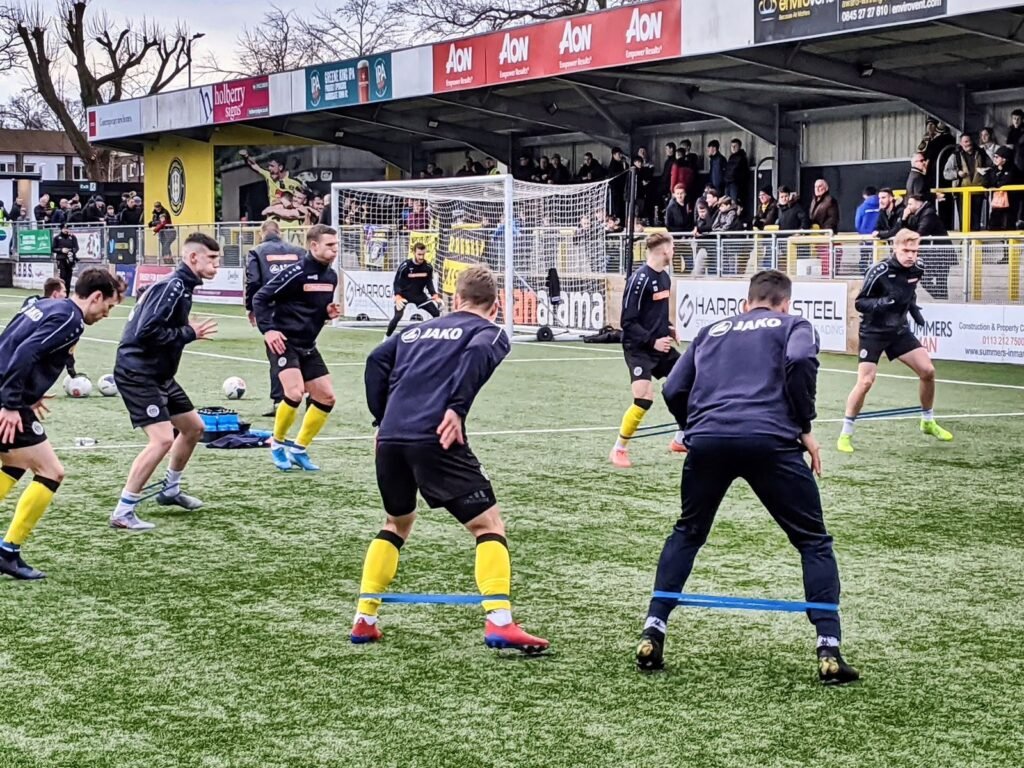
Modern football development is also much more data-heavy than it used to be. Players can wear GPS devices during training and matches. These systems can track things such as distance covered, high-speed running, accelerations and decelerations. That information can be useful. If a player’s workload suddenly changes, the coaching and sports science staff have another piece of information to work with. It can help when planning training and managing fatigue across a long season. But data is not magic. A number can tell a coach that a player covered less distance. It cannot always explain why. Maybe the player’s tactical role changed. Maybe the session was lighter. Maybe they were carrying fatigue. That’s where experienced coaching still matters.
The same goes for food, sleep and recovery. A demanding training schedule needs enough energy, hydration and recovery time behind it.
Talent Helps, It’s Not Enough
There’s another part of development that can be harder to measure. How does a young player react after being dropped? What happens after a bad game? Can they deal with an injury without losing confidence? Can they keep training properly when another player has taken their place? Those moments can have a bigger impact than one impressive performance. As players move through the academy system, the pressure usually increases. Selection becomes more competitive, mistakes become more noticeable and expectations rise. That’s why modern academy development looks beyond technical ability. The Premier League’s youth-development framework also considers areas including physical, mental, lifestyle and welfare development, alongside football and education.
For players looking for structured coaching outside a traditional club pathway, an International Football Academy can also provide an environment where technical work, tactical understanding and competitive development are brought together. The important point is that football ability does not develop alone.
The Jump into Senior Football
One of the biggest tests comes when a player has to move from youth football into the adult game. It can be a shock. Senior players are stronger. The ball moves faster. There’s less time to think, and a decision that worked perfectly at Under-18 level may not work against experienced professionals. This is why the move towards senior football needs to be managed carefully.
Some players get opportunities with first teams early. Others spend time playing at a lower professional level before returning with more experience. Loan spells can be useful in the right circumstances, but they aren’t automatically the answer for every player. The important thing is exposure to an appropriate level of competition. A player needs to be challenged. But being placed so far outside their level that confidence disappears is not necessarily development either.
There’s a Lot Happening Away from the Pitch
It’s easy to look at an academy player and only see the football. There’s usually much more going on. School. Travel. Family commitments. Recovery. Nutrition. Injuries. Exams. Selection decisions. Sometimes financial pressure as well. For younger players, the adults around them can make a significant difference.
Parents, coaches, teachers, medical staff and academy personnel all have some role in creating an environment where a player can actually develop. Safeguarding is part of that responsibility too. The Football Association has specific safeguarding requirements and training for people working with young players. A talented teenager still needs a healthy environment around them.
There’s No Perfect Formula
That may be the most important thing to understand about elite player development. There’s no checklist that guarantees a Premier League career. Some players enter professional academies very young. Others take a much less direct route. Some mature physically early. Others develop later and suddenly catch up. A player can also do almost everything right and still face an injury, a change of manager or a lack of opportunity at the wrong time. That doesn’t make the development process pointless. It simply shows how many variables are involved.
Good coaching gives players better tools. Strong competition tests those tools. Sports science helps manage the physical demands. Psychological support can help with setbacks. Education and welfare provide some stability away from football. Put all of that together over several years and the picture becomes clearer.
The Premier League player seen on television on a Saturday afternoon didn’t suddenly appear there. Long before the big stadiums, there were local pitches, repetitive drills, difficult matches, coaches correcting small details and plenty of days when progress probably didn’t feel obvious at all. That’s what elite development really looks like. Not one big breakthrough. Just a lot of small improvements, repeated for a very long time.

