


Clear vision plays an important role in everyday life. From reading and working to driving and enjoying recreational activities, good eyesight makes many daily tasks easier. However, people who rely on glasses or contact lenses may experience inconvenience, discomfort or limitations that affect their routines.
LASIK (Laser-Assisted In Situ Keratomileusis) is a type of laser refractive surgery designed to correct certain vision problems, including short-sightedness, long-sightedness and astigmatism. It reshapes the cornea to help light focus more accurately on the retina, potentially reducing dependence on corrective eyewear.
Although LASIK is not suitable for everyone, it may be an option for adults who meet the necessary clinical requirements. Recognising when to seek professional advice is an important first step.
For individuals exploring LASIK eye surgery in London, understanding the signs of potential suitability and choosing an experienced provider can help make the decision more straightforward.
1. You Constantly Depend on Glasses or Contact Lenses
One of the most common reasons people investigate laser eye surgery is their reliance on corrective eyewear.
Everyday Activities Require Corrective Lenses
Glasses and contact lenses can correct refractive errors, but wearing them throughout the day may become inconvenient. Some people find glasses uncomfortable during exercise, while others experience difficulties with contact lenses during extended working hours.
LASIK may reduce dependence on these corrective options by changing the shape of the cornea.
You Want Greater Convenience
People who regularly participate in sports, travel or outdoor activities may find corrective eyewear restrictive.
However, LASIK does not guarantee complete freedom from glasses. Some patients may still require corrective lenses for certain activities, particularly as their eyes change with age.
A comprehensive assessment can help establish whether surgery is likely to meet individual expectations.
2. Your Vision Remains Stable
Stable vision is an important consideration when determining whether someone may be suitable for LASIK.
Your Prescription Has Changed Very Little
A changing prescription can indicate that refractive errors are still developing. Performing surgery before vision stabilises may affect the predictability of the outcome.
Eye surgeons generally look for a stable prescription over an appropriate period before recommending treatment.
You Have Completed Your Eye Assessment
A professional examination can evaluate prescription stability, corneal thickness, eye health and other factors that influence surgical suitability.
Patients should not assume they qualify simply because their prescription has remained unchanged. A detailed assessment is necessary before proceeding.
3. You Experience Discomfort With Contact Lenses
Contact lenses are a popular alternative to glasses, but they are not comfortable for everyone.
Your Eyes Frequently Feel Dry or Irritated
Some contact lens users experience dryness, irritation or a gritty sensation, particularly after wearing lenses for extended periods.
These symptoms may become more noticeable in air-conditioned environments or during prolonged screen use.
LASIK may be worth discussing with an eye specialist, although existing dry eye symptoms must be carefully assessed before surgery.
You Find Lens Maintenance Difficult
Contact lenses require regular cleaning, appropriate storage and replacement according to professional instructions.
People who struggle with these responsibilities may prefer to investigate other vision correction options.
An ophthalmologist can explain whether LASIK is appropriate or whether alternatives may better address the patient’s circumstances.
4. Your Vision Affects Your Professional or Personal Activities
Refractive errors can influence more than eyesight. They may also affect productivity, confidence and participation in everyday activities.
Screen Use and Reading Become Inconvenient
People who spend considerable time using computers, tablets or mobile devices may find corrective eyewear inconvenient.
Although LASIK does not directly treat every cause of digital eye strain, correcting an appropriate refractive error may reduce dependence on glasses or contact lenses.
Patients should discuss persistent eye fatigue and discomfort during their assessment.
Driving and Outdoor Activities Require Extra Planning
People with refractive errors may experience difficulties when driving, particularly at night or in changing weather conditions.
LASIK can improve vision for suitable candidates, but individual outcomes vary. Some patients may experience temporary glare, halos or difficulties with night vision following surgery.
Understanding these possible effects is important before making a decision.
5. You Have Been Experiencing Vision Problems Associated With Refractive Errors
Another reason to arrange an eye examination is the ongoing presence of vision problems that may be linked to refractive errors.
Short-Sightedness and Long-Sightedness
Short-sightedness, also known as myopia, makes distant objects appear blurred. Long-sightedness, or hyperopia, can make close-up activities difficult.
LASIK reshapes the cornea to help light focus more accurately, potentially improving vision in people with suitable prescriptions.
Astigmatism
Astigmatism occurs when the cornea or lens has an irregular curvature, causing blurred or distorted vision.
LASIK can correct certain degrees of astigmatism by modifying the corneal shape.
However, the suitability of treatment depends on the patient’s prescription, corneal characteristics and overall eye health.
6. You Want to Explore a Long-Term Vision Correction Option
People who have worn glasses or contact lenses for many years may eventually consider surgical alternatives.
Understand the Potential Benefits
LASIK can provide lasting correction of existing refractive errors for suitable patients. Many people experience improved unaided vision and reduced dependence on corrective eyewear.
However, surgery cannot prevent natural age-related changes in eyesight.
For example, presbyopia commonly develops with age and affects the ability to focus on nearby objects. Patients should discuss how this may influence their future vision requirements.
Consider the Limitations Before Surgery
LASIK involves permanently changing the corneal shape. Although many patients achieve satisfactory results, complications and side effects are possible.
These may include dry eyes, glare, halos, undercorrection or overcorrection.
A responsible surgeon should explain the potential benefits, limitations and alternative procedures before obtaining informed consent.
7. You Are Ready to Seek Professional Advice About Laser Eye Surgery
Researching LASIK is a useful starting point, but a professional assessment is necessary to determine whether surgery is appropriate.
You Want an Individualised Treatment Recommendation
An ophthalmologist can examine the eyes, review medical history and assess factors that may influence surgical outcomes.
The evaluation may include prescription measurements, corneal mapping, corneal thickness testing and assessments of tear production.
These investigations help determine whether LASIK is suitable or whether another vision correction procedure should be considered.
You Understand the Importance of Realistic Expectations
Patients should understand that laser eye surgery does not guarantee perfect vision or eliminate every future need for glasses.
Discussing personal expectations with the surgeon helps establish realistic treatment goals.
People with certain eye conditions, unstable prescriptions or unsuitable corneal measurements may require alternative approaches.
Why Choose an Eye Care Clinic on Harley Street?
Selecting the right provider is just as important as understanding the procedure. Harley Street in London is recognised for its established medical and specialist healthcare services.
Choosing an eye care clinic on Harley Street may appeal to patients seeking specialist eye care in a well-known medical district.
Access to Specialist Eye Care
Patients should prioritise clinics that provide appropriate ophthalmic assessments and have qualified professionals involved in treatment planning.
Understanding the surgeon’s experience with refractive procedures is particularly important when considering LASIK.
Comprehensive Eye Assessments
A thorough assessment helps identify whether a patient’s eyes are suitable for surgery.
Clinics should explain the examination process, discuss relevant findings and provide clear recommendations based on individual circumstances.
Clear Communication and Patient Support
Good communication helps patients understand each stage of treatment, from the initial consultation to postoperative appointments.
A suitable clinic should provide information about preparation, recovery, possible complications and follow-up arrangements.
Convenient London Location
Harley Street is centrally located in London, making it a recognised destination for people seeking specialist medical services.
Patients travelling for consultations should consider appointment availability, transport arrangements and the accessibility of follow-up care.
What to Expect Before and After LASIK Surgery
Understanding the treatment journey can help patients prepare for the procedure.
Before surgery, the ophthalmologist conducts the necessary examinations and provides instructions about contact lens use, medications and eye care.
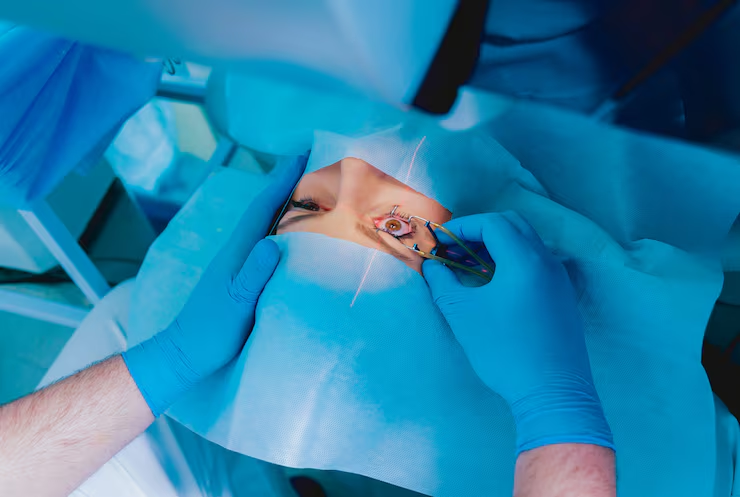
During LASIK, the surgeon creates a thin corneal flap and uses a laser to reshape the underlying corneal tissue. The flap is then repositioned.
The procedure is generally performed using local anaesthetic eye drops.
Following surgery, patients receive instructions about prescribed eye drops, eye protection and activities to avoid during recovery.
Follow-up appointments are important for monitoring healing and evaluating visual outcomes. Patients should report unexpected pain, worsening vision or other concerning symptoms promptly.
Conclusion
Recognising the signs that may justify an assessment for LASIK can help people make informed decisions about their vision care. Frequent dependence on glasses, contact lens discomfort, stable prescriptions and difficulties associated with refractive errors may encourage individuals to investigate laser eye surgery.
However, not everyone is a suitable candidate, and a comprehensive ophthalmic examination is essential before proceeding.
For those researching LASIK eye surgery in London, choosing an experienced provider and understanding the potential benefits and limitations are important steps. A specialist consultation at a reputable Harley Street clinic can help patients explore appropriate options and develop a treatment plan based on their individual eye health and vision requirements.

