
The shape and structure of the nose play an important role in overall facial balance. For some people, concerns about the nose may involve its appearance, while others experience functional difficulties such as restricted breathing, nasal obstruction or problems caused by a deviated septum. In certain cases, these concerns can be addressed through rhinoplasty or septorhinoplasty surgery.
Rhinoplasty is a surgical procedure that changes the shape or structure of the nose. Septorhinoplasty combines nasal reshaping with surgery to correct problems affecting the nasal septum, which is the wall separating the two nasal passages. An open approach may be recommended when a surgeon needs greater access to the underlying nasal structures to perform more complex adjustments.
For individuals researching London rhinoplasty surgery, understanding the available surgical approaches is an important part of making an informed decision. An open septorhinoplasty in London may be suitable for patients who have both functional and aesthetic concerns, although the most appropriate procedure depends on an individual assessment.
This article explores five reasons why these procedures may influence facial appearance, nasal function and overall treatment satisfaction.
Understanding Rhinoplasty and Open Septorhinoplasty
Before exploring the potential benefits, it is helpful to understand how the procedures differ and what happens during surgery.
What Is Rhinoplasty?
Rhinoplasty is an operation designed to alter the shape, size or proportions of the nose. It may address concerns such as a prominent nasal bridge, a crooked appearance, a bulbous nasal tip or asymmetry.
The procedure involves carefully modifying the bone, cartilage and soft tissues that form the nose. The surgeon considers the patient’s facial proportions and anatomical structure when planning the changes.
Rhinoplasty may be performed for cosmetic reasons, functional reasons or a combination of both. However, cosmetic rhinoplasty alone does not necessarily correct internal problems affecting nasal breathing.
What Is Open Septorhinoplasty?
Open septorhinoplasty combines changes to the external structure of the nose with correction of relevant internal nasal problems, particularly those involving the septum.
In an open approach, the surgeon makes a small incision across the columella, the strip of tissue between the nostrils. The skin is then lifted carefully to provide a clearer view of the underlying cartilage and bone.
This approach can be useful when detailed structural changes are required, particularly in revision procedures or cases involving significant nasal asymmetry. It also allows the surgeon to assess and address selected functional concerns during the same operation.
Not every patient requires an open approach. A surgeon may recommend closed rhinoplasty or another technique depending on the complexity of the procedure and the patient’s anatomy.
5 Reasons These Procedures Could Transform Your Profile
1. They Can Improve Overall Facial Balance
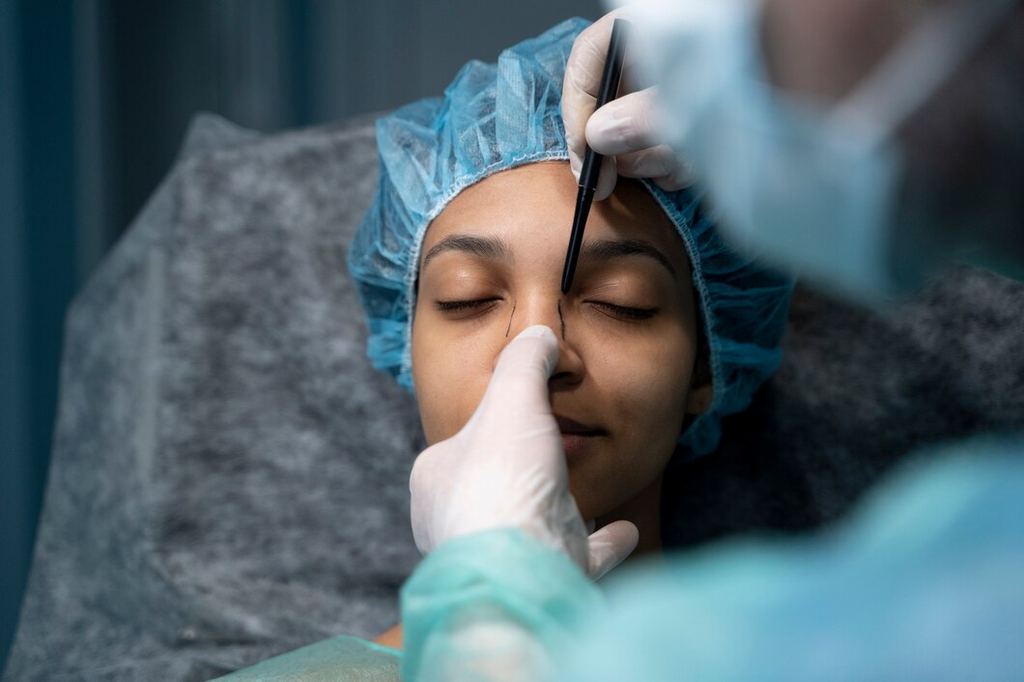
The nose occupies a central position on the face, which means its proportions can influence how the other facial features appear together. Changes to the nasal bridge, tip or overall projection may affect the relationship between the nose, forehead, cheeks, lips and chin.
Rhinoplasty can be planned to address specific concerns while maintaining a balanced appearance.
Adjusting the Nasal Bridge
Some patients are concerned about a prominent dorsal hump, a low bridge or an uneven nasal profile. Depending on the underlying anatomy, surgery may involve reducing, reshaping or supporting the nasal bridge.
The aim is not necessarily to create a smaller nose. Instead, the surgeon considers how the bridge relates to the patient’s other facial features.
Refining the Nasal Tip
The nasal tip can influence the appearance of the entire nose. Concerns may involve its projection, rotation, width or definition.
A surgeon may adjust the underlying cartilage to improve the tip’s proportions. Careful planning is important because excessive alteration can affect both appearance and nasal support.
Considering the Whole Face
A suitable surgical plan should account for the patient’s facial structure rather than following a standard nose shape. The goal is to achieve proportions that complement the individual’s features.
2. Open Surgery Can Provide Greater Access for Complex Nasal Reshaping
An open approach may be recommended when a surgeon needs a clearer view of the underlying nasal structures. This can be particularly relevant when the nose requires several structural adjustments.
Detailed Assessment of Nasal Anatomy
Open septorhinoplasty allows the surgeon to examine the nasal framework more directly. This may help when addressing significant asymmetry, structural weaknesses or complicated changes involving the nasal tip.
The improved access can be useful for carefully positioning cartilage grafts and making adjustments to the supporting structures.
Suitable for Selected Revision Procedures
Some patients seek further surgery after an earlier rhinoplasty because of persistent concerns, structural changes or breathing difficulties.
Revision surgery can be more complex because previous procedures may have altered the normal anatomy or created scar tissue. An open approach may provide the access required to assess and address these issues.
However, revision surgery is not automatically performed using an open technique. The surgeon must determine which approach is appropriate after reviewing the patient’s medical and surgical history.
A More Controlled Surgical Plan
Greater visibility can assist the surgeon when making detailed adjustments. Nevertheless, the open approach does not guarantee a better result than closed rhinoplasty. The outcome depends on the surgeon’s experience, the patient’s anatomy and the complexity of the procedure.
3. Septorhinoplasty Can Address Selected Breathing Difficulties
For some patients, concerns about the nose extend beyond its external appearance. A deviated septum or other structural problem may contribute to nasal obstruction and difficulty breathing through one or both nostrils.
Septorhinoplasty may address relevant internal and external structures during the same operation.
Correcting a Deviated Nasal Septum
The nasal septum separates the left and right nasal passages. When it is significantly deviated, it can reduce airflow and contribute to persistent obstruction.
During septorhinoplasty, the surgeon may reposition or reshape parts of the septum to improve the internal nasal structure.
The procedure must be planned carefully because the septum also provides support for the nose. Excessive removal or alteration of cartilage can compromise structural stability.
Assessing Other Causes of Nasal Obstruction
A deviated septum is not the only possible cause of breathing difficulties. Enlarged turbinates, nasal valve problems, inflammation and other conditions can also affect airflow.
A thorough assessment helps determine whether septorhinoplasty is likely to address the patient’s symptoms or whether additional treatment is required.
Balancing Function and Appearance
When functional and cosmetic changes are planned together, the surgeon needs to consider both outcomes. Improving the external shape should not compromise the internal structures responsible for breathing.
Patients should discuss their breathing symptoms and cosmetic concerns openly during the consultation.
4. It Can Address Nasal Asymmetry and Structural Irregularities
Nasal asymmetry may result from natural development, previous injuries, congenital differences or earlier surgery. It can affect the bridge, tip, nostrils or overall alignment of the nose.
Rhinoplasty and open septorhinoplasty may be considered when these concerns are significant enough to warrant surgical treatment.
Reshaping an Uneven Nasal Bridge
A crooked or uneven bridge may involve differences in the nasal bones, cartilage or septum. Surgery may involve carefully adjusting these structures to improve alignment.
The extent of correction depends on the underlying cause. Some cases require more complex structural work than others.
Improving Tip Symmetry
Differences in the shape or position of the lower nasal cartilages can contribute to an uneven tip. An open approach may provide useful access when detailed adjustments are required.
The surgeon may use sutures or cartilage grafts to improve support and symmetry, depending on the patient’s anatomy.
Managing the Effects of Previous Injury
A broken nose or other facial injury can change the position of the nasal bones and cartilage. Some patients develop visible irregularities as well as breathing difficulties.
A surgical assessment can help determine whether the concerns are suitable for rhinoplasty, septorhinoplasty or another treatment approach.
It is important to understand that perfect symmetry is not always achievable. The aim is generally to improve alignment and proportion while maintaining a stable nasal structure.
5. A Personalised Surgical Plan Can Support Long-Term Results
One of the most important aspects of rhinoplasty is developing a treatment plan that reflects the patient’s individual anatomy, concerns and expectations.
The nose is a complex structure, and changes to one area can affect another. A personalised approach helps the surgeon consider both the immediate surgical requirements and the long-term stability of the result.
Planning Around Individual Facial Features
A surgeon should assess the nose in relation to the patient’s forehead, cheeks, lips and chin. This helps determine which changes may be appropriate and which features should be preserved.
Computer imaging may sometimes be used to discuss potential changes, but it should not be treated as a guarantee of the final surgical result.
Preserving Nasal Support
The nasal framework provides important structural support. Surgical changes must be planned carefully to avoid weakening the nose or creating problems with breathing.
In some cases, cartilage grafts may be used to support specific areas or maintain the desired structure.
Understanding Long-Term Healing
Rhinoplasty recovery takes time. Swelling can remain for several months, particularly around the nasal tip, and the final shape may take a year or longer to become apparent.
Patients should attend follow-up appointments and follow their surgeon’s aftercare instructions throughout recovery.
What to Expect During London Rhinoplasty Surgery
Understanding the treatment process can help patients prepare for surgery and know what questions to ask during a consultation.
Initial Consultation and Assessment
The first stage involves discussing the patient’s medical history, breathing concerns, previous nasal injuries or procedures, and desired changes.
The surgeon may examine the external nose and assess the internal nasal passages. Photographs may also be taken to support treatment planning.
Patients should be encouraged to ask about the recommended technique, expected improvements, possible limitations and alternatives to surgery.
The Surgical Procedure
Rhinoplasty and septorhinoplasty are generally performed under general anaesthesia. The exact technique depends on the planned changes and the surgeon’s assessment.
During open septorhinoplasty, the small external incision provides access to the nasal framework. The surgeon may then reshape selected cartilage and bone, correct relevant septal problems and provide additional structural support where required.
The procedure’s duration varies according to its complexity.
Recovery and Aftercare
After surgery, patients may experience swelling, bruising, tenderness and temporary nasal congestion. A splint may be used to support the nose during the early recovery period.
Most patients need time away from work and should avoid strenuous exercise until their surgeon confirms it is safe to resume normal activities.
Follow-up appointments allow the surgical team to monitor healing and address any concerns.
Choosing a Surgeon for Open Septorhinoplasty in London
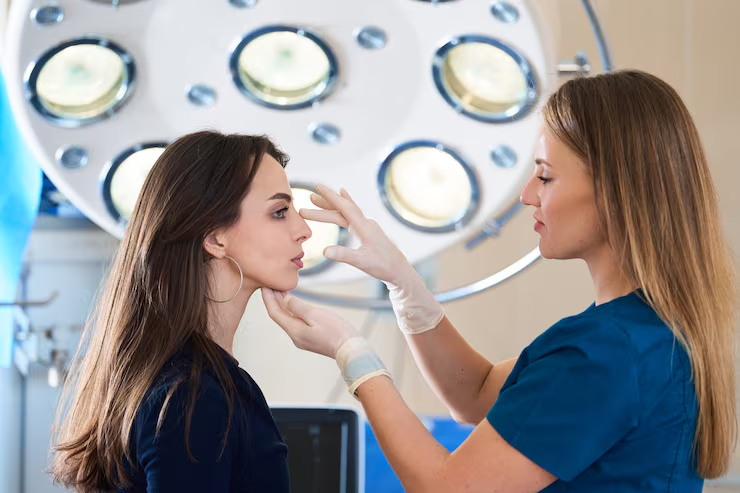
Selecting an experienced surgeon is an important part of the decision-making process. Patients should consider qualifications, relevant surgical experience, communication and the standard of aftercare.
Check Qualifications and Specialist Experience
Ask about the surgeon’s professional registration, specialist training and experience with both cosmetic and functional nasal procedures.
Patients should also establish who will be responsible for the different stages of treatment, including the operation and postoperative care.
Review Relevant Before-and-After Photographs
Photographs can provide an indication of a surgeon’s approach to different nasal shapes and concerns. Look for examples involving patients with similar anatomy or treatment requirements.
Images should be reviewed carefully because lighting, camera angles and swelling can influence how results appear.
Discuss Risks and Possible Limitations
Rhinoplasty and septorhinoplasty are surgical procedures with potential complications. These may include bleeding, infection, scarring, persistent swelling, changes in sensation, breathing difficulties, asymmetry, or dissatisfaction with the cosmetic result.
Revision surgery may sometimes be required, although further surgery cannot be guaranteed to resolve every concern.
A surgeon should explain the individual risks and provide realistic expectations before the patient decides to proceed.
Conclusion
Rhinoplasty and open septorhinoplasty can offer options for people who want to address concerns involving the appearance or function of their nose. Potential benefits include improving facial balance, addressing structural irregularities, correcting selected breathing problems and providing a more personalised approach to nasal reshaping.
For individuals researching London rhinoplasty surgery, understanding the difference between surgical techniques is an important first step. An open septorhinoplasty in London may be appropriate when detailed access to the nasal framework is required, particularly when cosmetic and functional changes need to be considered together.
However, no single technique is suitable for everyone. A consultation with a suitably qualified surgeon can help establish the cause of the patient’s concerns, explain the available options and determine whether surgery is appropriate.

